
2025-02-20 12:46:00

When was the last time you checked every section of your fence, post to post, wire to wire?
Even small issues - like sagging wires, minor cracks in post bases, or corroded staples - can rapidly escalate into expensive repairs.
Over time, the structural integrity of any fence declines due to environmental stressors, livestock pressure, and wear from regular use (source).
Let’s break it down:
During a spring thaw on a ranch in Yorkshire, frost heave pushed several corner posts out of alignment by nearly two inches. The owner didn’t notice until a section of the fence gave way during heavy winds, allowing three geldings to wander into the neighbour's hay barn. Repairing the fence and rebuilding trust with the neighbour took weeks.
Routine inspections, especially after extreme weather or seasonal transitions, are non-negotiable. Walk the entire perimeter with a critical eye:
Practical tip: Keep a log of inspections and repairs to spot recurring problem areas. This will save you from future surprises.
The time you spend inspecting and maintaining your fence today is time saved chasing horses tomorrow.
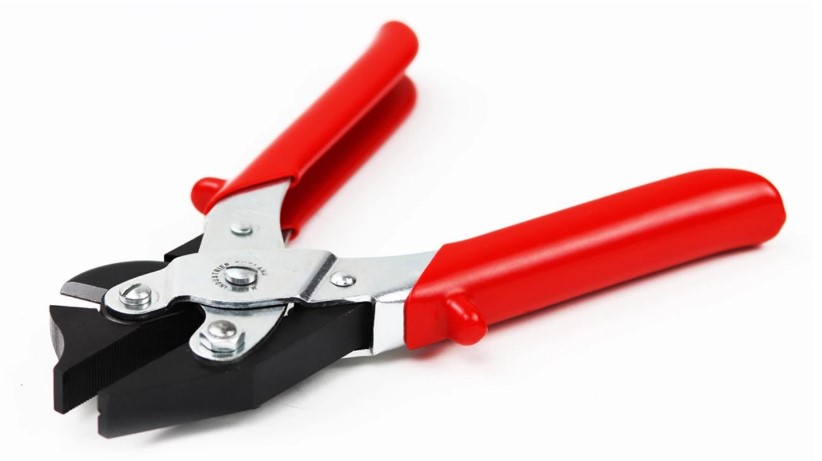
Fencing Plier Comfort Grips 200mm – maunindustries.com
Fence emergencies are inevitable.
When a section goes down, having a well-stocked repair kit within reach saves valuable time and frustration.
Stock up on essentials such as:
During one particularly windy season, a landowner near Cambridge kept a mobile repair kit in his ATV. Within minutes of spotting a break, he was able to secure the area and prevent an escape, all without having to run back to the barn for supplies.
Storage tip: Organise tools in a waterproof container and position it near high-traffic areas like gates.
Preparedness turns crises into manageable problems with minimal stress.

There’s a saying in the field: “You’re only as fast as your stretcher.” A quality wire stretcher does more than simply pull slack wires tight. It allows for even tensioning along the entire span without damaging the wire - a critical feature when working with high-tensile fencing commonly used in horse paddocks (source).
Without proper tension, wire fences lose their ability to “give” under impact, putting both the fence and the horse at risk:
A durable stretcher, preferably with non-slip clamps, helps avoid both extremes.
On a large estate outside Kent, one worker spent over an hour struggling to tighten a section with a pair of old pliers and a manual winch. Frustration mounted as the wire repeatedly slipped out of his grip. Finally, he borrowed a wire stretcher with a ratcheting system. In just ten minutes, the repair was complete, and the wire held perfectly.
When selecting a stretcher, look for:
Expert advice: Look for stretchers designed with replaceable parts. Tools with integrated chain ratchets or cable hooks provide greater control during tension adjustments.
Investing in the right tool today pays dividends in every repair session ahead.
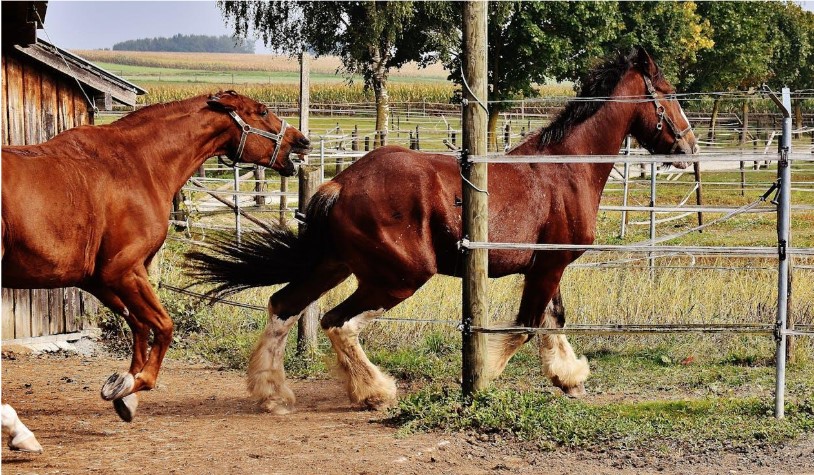
Your wire is only as strong as the post anchoring it. Weak or shallow-set posts are a chronic problem in horse fencing. A sagging post doesn’t just cause aesthetic issues - it compromises the entire fence line’s tension and security. Over time, even minor shifts in a post’s alignment create cumulative stress along neighbouring wires, leading to cascading failures.
High-impact areas, such as gateposts or corners, deserve extra attention:
After moving to a property with softer soil near the Norfolk coast, a horse owner found herself constantly battling leaning posts. She switched to using treated wooden posts with a gravel backfill, ensuring each one was buried 48 inches deep. That change brought long-term stability to a fence that previously needed repairs every few months.
When selecting materials, opt for:
Pro tip: Use a post level and compact soil in layers, adding approximately 6 inches of gravel for better drainage.
Strong posts hold the line - literally and figuratively.
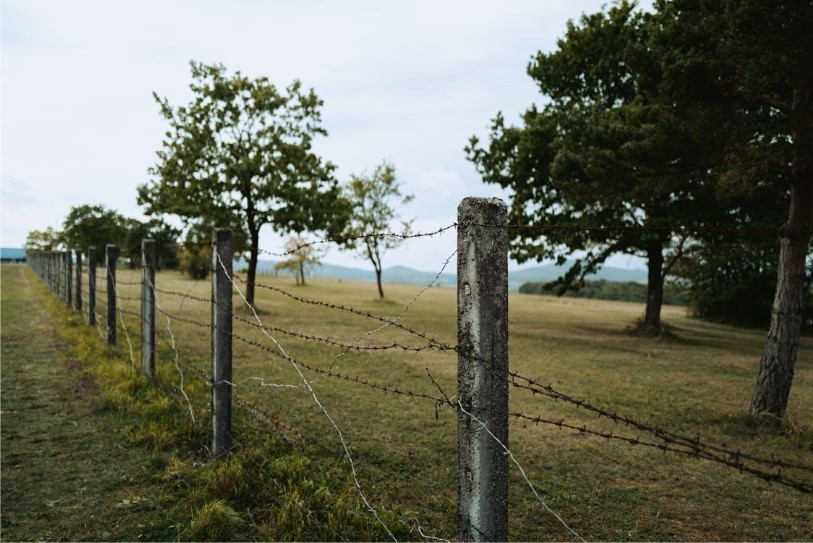
Here’s something most fencing guides won’t tell you: the perfect wire tension is about balance, not brute force. Many make the mistake of tightening wires until they’re guitar-string taut. Not only does this reduce the wire’s ability to flex under pressure, but it can also trigger sudden breaks, often at inopportune times - think midnight in a winter storm.
High-tensile wires, specifically, are designed to stretch slightly when impacted:
A family in Wiltshire learned this lesson after their lead mare, startled by fireworks, ran straight into the fence. The wire, set far too tight, snapped under pressure and injured the horse’s shoulder. Since loosening the wire and adding an electric deterrent, they haven’t had further incidents.
Here’s a tip from experienced installers: after tensioning a section, lightly press the wire at midpoint. A correctly tensioned wire will:
Practical maintenance tip: Use a fencing tension gauge for precise adjustments, aiming for 200-250 lbs of tension depending on the wire type.
Correct wire tension is both a science and an art - nail it, and your fence will last longer with fewer repairs.
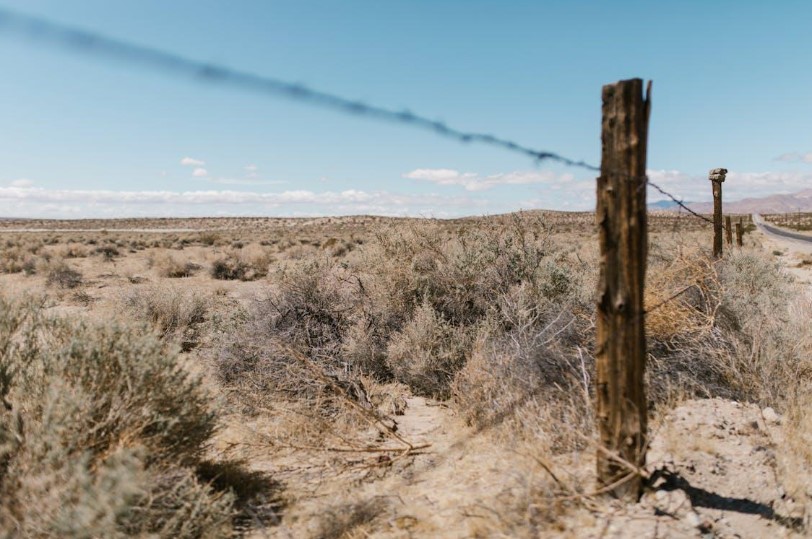
Soil shifts are a sneaky enemy of fence longevity. Post integrity isn’t just about material - it’s also about the ground holding that post in place. Erosion around post bases weakens the entire structure, leading to instability that worsens with time.
Areas with heavy runoff or low-lying spots are especially vulnerable. Preventative measures include:
On a rainy summer in Somerset, a paddock near a hillside experienced severe washout, destabilising three sections of fence posts. After regrading the slope and installing drain trenches, the problem was brought under control, preventing further collapses.
Quick tip: Regularly clear debris around posts in erosion-prone zones. Build up soil around exposed bases to prevent water pooling.
A stable foundation means fewer surprises after storms or snowmelt.
Alternatively, you could go for virtual fencing, although that’s a bit sci-fi (learn more here).
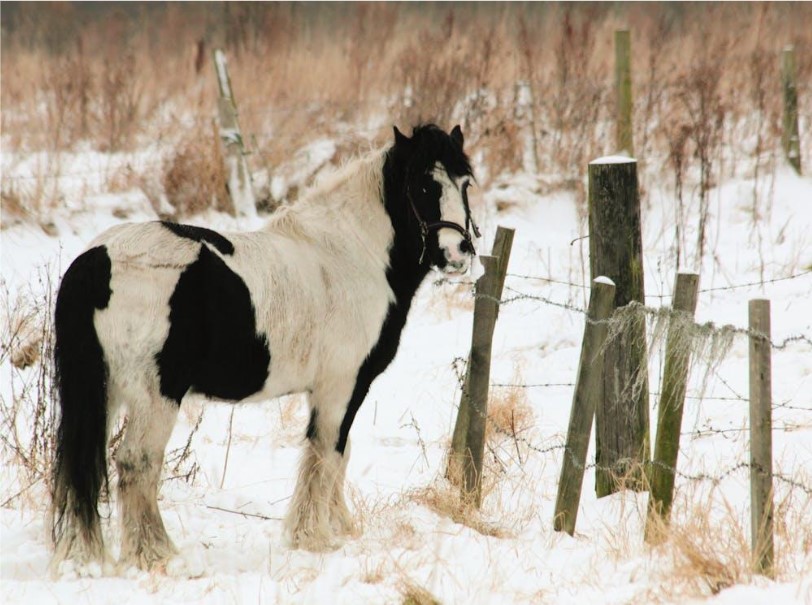
Horses don’t see fences the way humans do - they see obstacles to push, lean on, or chew. Boredom, social behaviour, or even curiosity can lead them to test boundaries (source). Over time, their behaviour wears down both wire and posts, often faster than regular weathering.
Keeping your horses mentally and physically engaged can dramatically reduce fence stress. Rotation grazing, interactive feeding stations, and regular exercise sessions go a long way. Ideally:
On a stud farm near Dorset, a stallion had developed a habit of pushing against the wire, damaging multiple sections. After installing high-visibility poly tape and increasing his turnout activities, the behaviour stopped.
Pro tip: Periodically test electric wire systems with a voltmeter to ensure they’re functioning correctly.
Prevention through engagement is easier - and cheaper - than constant repairs.
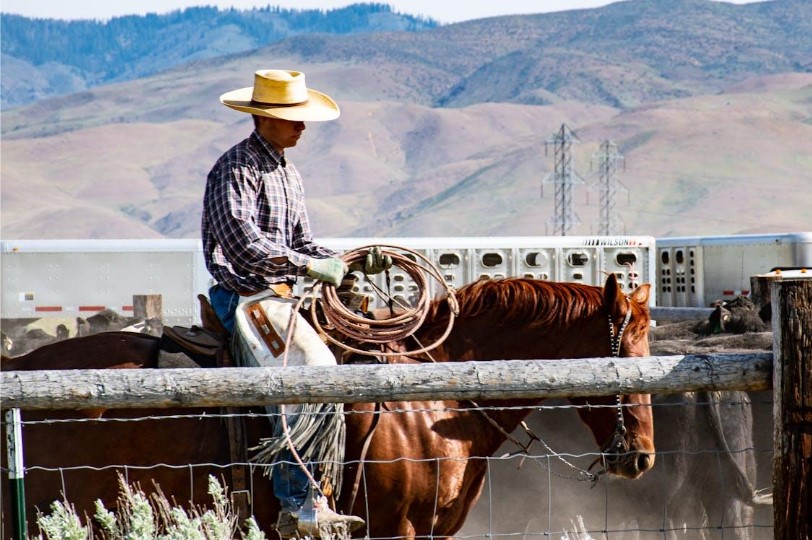
Preventative maintenance isn’t glamorous, but it’s your first line of defence against major fence failures. Neglecting routine tasks means smaller issues accumulate, ultimately leading to structural collapse at the worst moments.
A quarterly maintenance schedule keeps repairs manageable. Include tasks such as:
Tie these tasks to seasonal markers, such as spring planting or autumn hay collection, to build consistency.
In fencing, small actions today prevent large consequences tomorrow.